

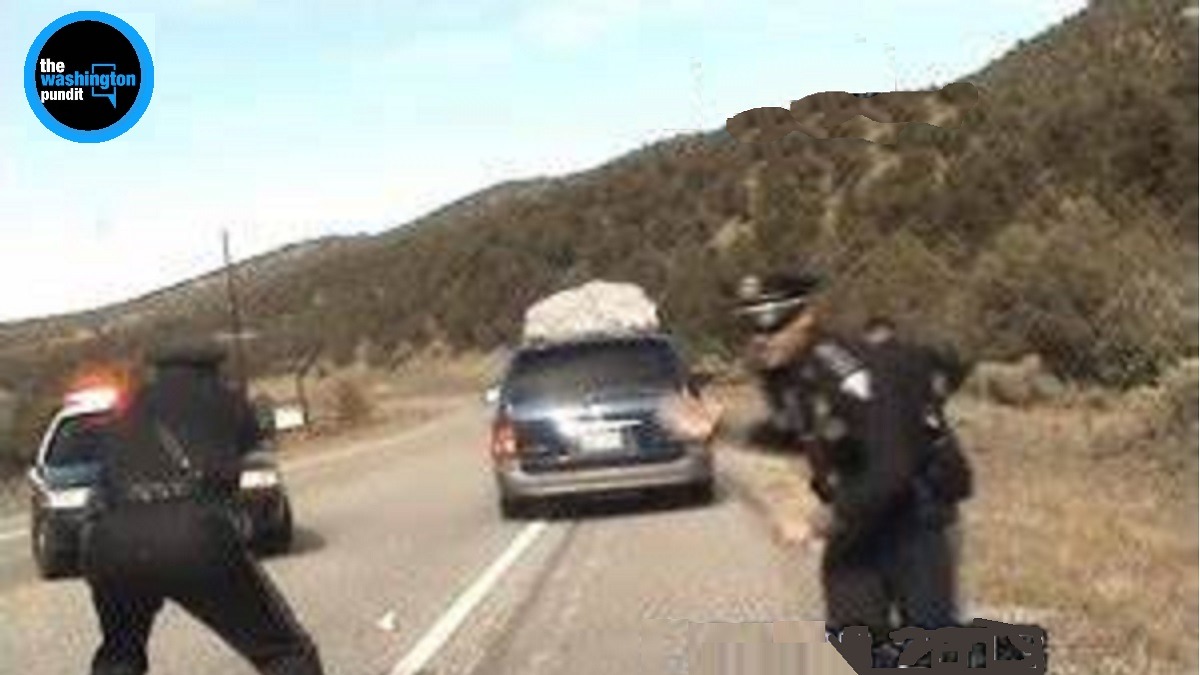
The Supreme Court has declined to hear a number of cases that challenge the controversial laws that shield law enforcement and government officials from lawsuits over actions performed while on official duty. SCOTUS has been weighing qualified immunity measures for several weeks, amid multiple lawsuits that argue the laws make it more difficult for victims to hold police officers and government officials accountable for their actions.
Removing qualified immunity is a terrible idea that would result in numerous frivolous lawsuits trying to bankrupt police officers who were just doing their jobs. Horrifying to see some conservatives supporting this. Is everyone too scared to stand up for the police?
— Amber Athey (@amber_athey) June 15, 2020
Several civil rights groups and legal experts have been behind the effort to narrow the scope of qualified immunity, stating that they allow law enforcement to be insulated from punishment. They say the law too broadly shields law enforcement from liability in court. Eight separate high profile cases were among those before the court.
#SCOTUS also turns down group of cases involving doctrine of qualified immunity, which shields officials from liability for constitutional violations that do not violate clearly established law
— SCOTUSblog (@SCOTUSblog) June 15, 2020
The issue of qualified immunity is a key sticking point between the GOP and democrats as they work towards police reform. Democrats want to significantly narrow the scope of the law, while republicans plan to keep police protections in place. Democrats argue that police should be held accountable when they commit actions that break the laws. Republicans believe qualified immunity laws should stand, otherwise law enforcement’s hands would be significantly tied in the line of duty. They also argue that relaxing these protections would end up in a stream of legal cases that could bankrupt law informant offices and officials.

- Dr E